


White label digital marketing is when an agency sells marketing services to its clients but has a third-party provider do the actual work behind the scenes, delivered under the agency's own brand. The client sees one agency; the fulfillment happens elsewhere. It's how small agencies offer full-service capabilities without hiring for every specialty.
If you run an agency or freelance practice, you've probably hit the moment where a client asks for something you don't offer. Saying no feels like leaving money on the table, but hiring a specialist for one account makes no financial sense. White label digital marketing exists precisely for that gap, and this guide covers how the model works, what it actually costs, where it goes wrong, and how to pick a partner you won't regret.
What Is White Label Digital Marketing ?
White label digital marketing is a business arrangement where one company produces marketing services that another company rebrands and sells as its own. The provider stays invisible. The reseller keeps the client relationship, sets the price, and takes the credit.
The clearest comparison is your grocery store's private-label products. That store-brand pasta wasn't made in a supermarket back room. A manufacturer produced it, the store put its name on the box, and shoppers bought it without ever thinking about the factory behind it. White label digital marketing services work the same way: a specialist builds the campaign, an agency puts its logo on the deliverable, and the client experiences a single, seamless-looking vendor relationship. Nobody is misled about the quality of the work, only about who typed it.
How Does White Label Digital Marketing Work?
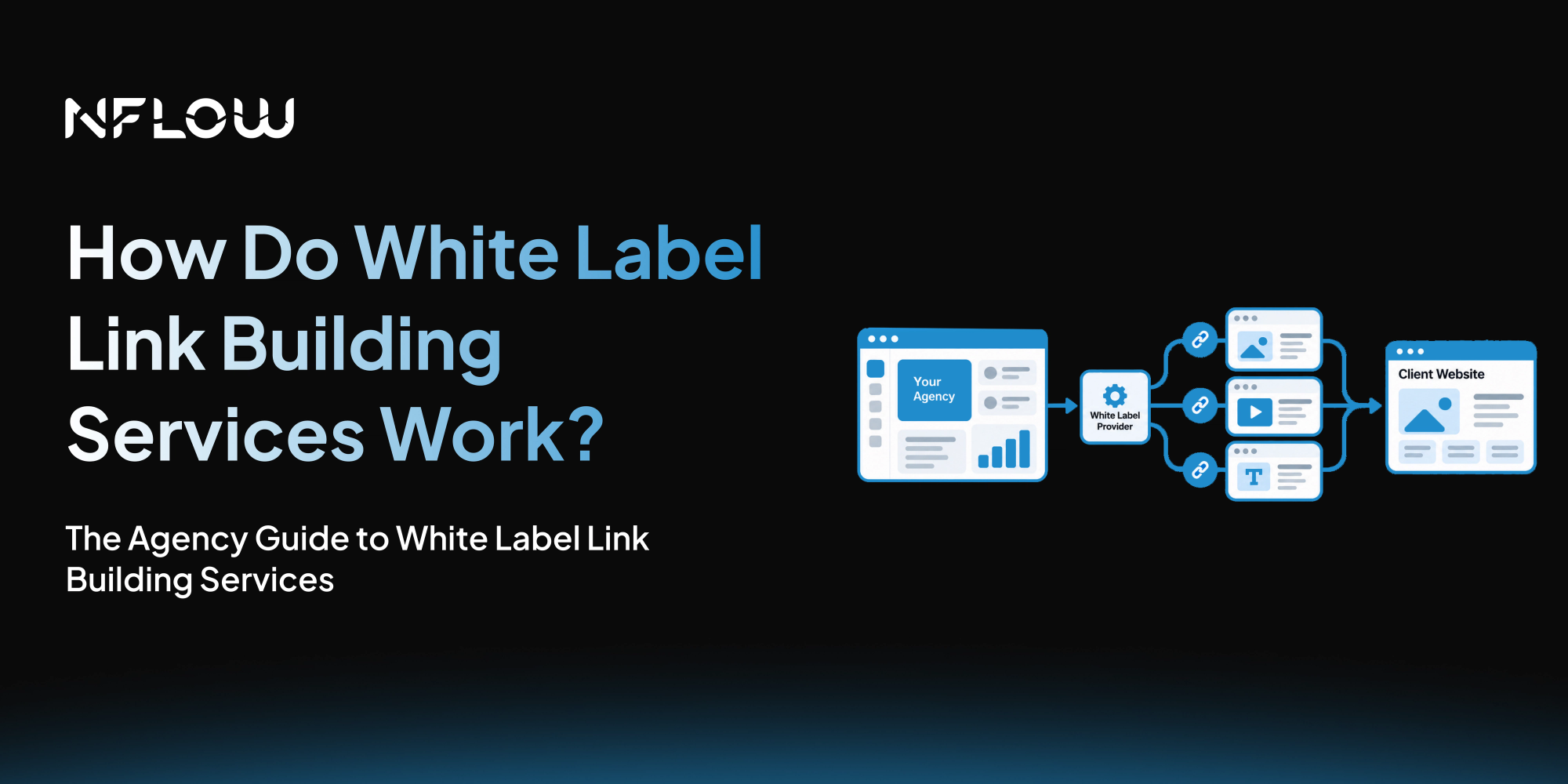
The mechanics are simple: the agency sells and manages the client, the fulfillment provider does the work, and everything the client sees carries the agency's brand. The agency handles sales calls, strategy conversations, and invoicing. The partner handles execution and sends back reports the agency can present as its own.
Here's an illustrative scenario with realistic numbers. Picture a four-person agency that's strong at paid social but keeps losing deals because prospects also want SEO. The owner signs a fulfillment agreement with a white label SEO provider at $1,200 per month per client. She then sells an SEO retainer to a client at $2,800 per month, positioned as part of her agency's service line. Each month, the provider does the keyword research, technical fixes, and content work, then delivers a report with her agency's logo on it. She reviews it, adds her own strategic commentary, and presents it on the monthly client call. Her margin is $1,600 per client per month, and she added a service line in about two weeks instead of the three to six months it would take to recruit and train an SEO hire. That's the whole model in one story: she owns the relationship, the partner owns the execution.
Common White Label Digital Marketing Services
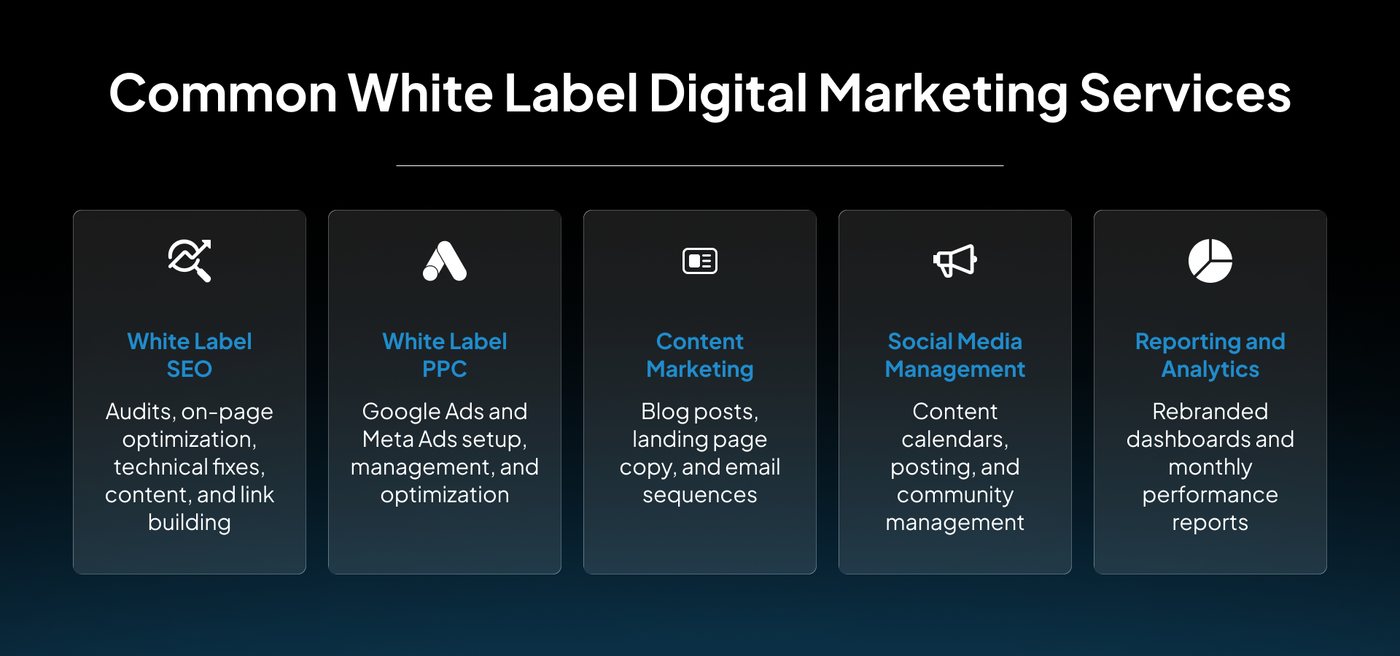
Almost any digital marketing service can be white labeled, but a handful of channels make up the bulk of the market. These are the services agencies most commonly resell:
-
White label SEO — audits, on-page optimization, technical fixes, content, and link building
-
White label PPC — Google Ads and Meta Ads setup, management, and optimization
-
Content marketing — blog posts, landing page copy, and email sequences
-
Social media management — content calendars, posting, and community management
-
Web design and development — landing pages through full site builds
-
Reporting and analytics — rebranded dashboards and monthly performance reports
SEO and PPC dominate because they're the most technical and the hardest to fake, which is exactly why agencies without those specialists look outside for them.
White Label Pricing and Markup Explained
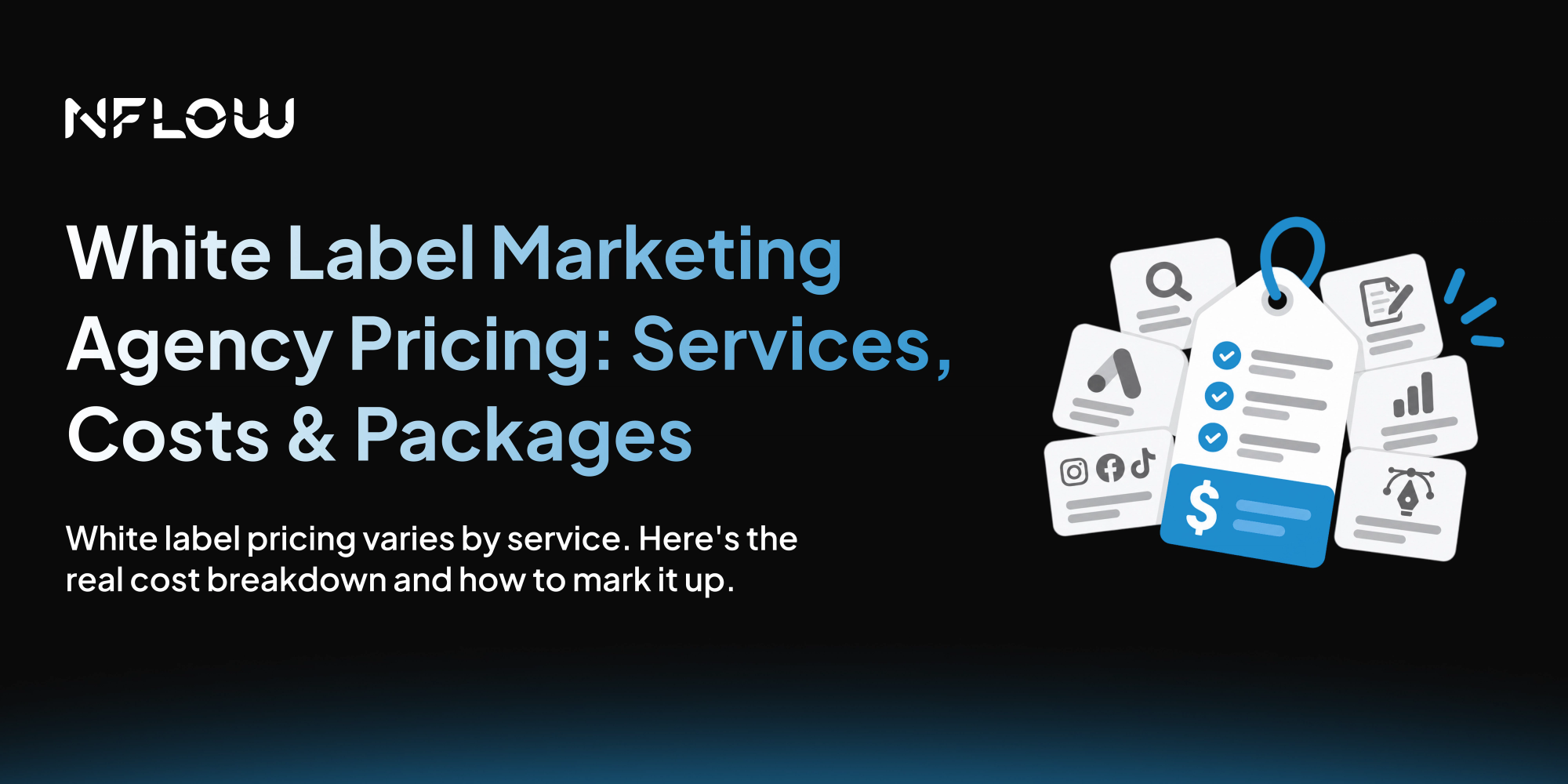
Most agencies mark up white label services between 50% and 150%, meaning a service purchased wholesale at $1,000 typically retails to the client at $1,500 to $2,500. White label pricing varies widely by channel, provider location, and scope, but the ranges below reflect what you'll typically see in the market (treat them as directional, not quotes)
What pushes markup higher? Strong client relationships, niche expertise the client can't easily price-check, and bundled retainers where individual line items disappear. What compresses it? Commodity work like basic blog posts, price-sensitive local clients, and markets where clients can Google wholesale rates in five minutes. Your markup is really a price on the trust you've built, so agencies with weak positioning end up competing on margin instead.
Benefits of Hire White Label Digital Marketing
The core benefit of white label digital marketing is that it lets an agency expand its service catalog immediately, without hiring, training, or tooling costs. A specialist hire might cost $60,000 to $90,000 a year before software and management overhead, and that bet only pays off if you can keep them busy. A fulfillment partner converts that fixed cost into a variable one you only pay when a client is paying you. It also means you stop saying no. When a retainer client asks for PPC and you only do SEO, you can say yes that afternoon, which protects the relationship from competitors who offer both. And because established providers have already made their mistakes on someone else's clients, you're usually buying a more refined process than a first-year in-house hire would deliver.
Industries and Use Cases for White Label Marketing
White label marketing services are used by agencies, freelancers, and even non-marketing businesses that want to add revenue without adding operations. Three common scenarios: a web design studio that builds beautiful sites but keeps getting asked "so how do we get traffic?" adds white label SEO as a post-launch retainer. A solo PPC consultant lands a client who wants full-funnel service and quietly brings in an outside provider for content and email so she doesn't lose the account. And IT firms or business consultancies serving local companies increasingly bolt on rebranded marketing packages, because they already have the trust and the invoice relationship.
Signs It's Time to Consider White Label Services
You should consider white labeling when demand for a service consistently exceeds your ability to deliver it profitably in-house. Watch for these signals:
-
You're turning down work in channels you don't cover
-
Existing clients keep asking about a service you don't offer
-
Your delivery quality slips every time you get busy
-
You're patching gaps with freelancers and getting inconsistent results
-
A specialist hire wouldn't have full-time work yet
-
Your margins are healthy on strategy but terrible on execution
If two or more of these sound familiar, the math on outsourcing under your brand probably already works.
Risks and Downsides of White Labeling
The biggest risk of white labeling is that your reputation depends on work you don't directly control. When the partner misses a deadline or ships a sloppy report, the client blames you, because as far as they know, it is you. Quality control never fully disappears; you still need someone internally who can review deliverables and catch problems before the client does.
Communication lag is the second real cost. Every client question now takes a round trip through you to the partner and back, which can turn a same-day answer into a three-day one. Margin compression is the third: white label works when you sell at 1.5x to 2.5x wholesale, but competitive markets can squeeze that to the point where you're doing account management for 20% margins. And there's dependency risk. If your partner raises prices, degrades, or shuts down, you're suddenly renegotiating or migrating a whole book of client work at once. None of these are reasons to avoid the model. They're reasons to treat partner selection like hiring, not procurement.
Contracts and Legal Considerations
A white label agreement should, at minimum, cover confidentiality, non-solicitation, service levels, and ownership of deliverables. The NDA keeps the arrangement invisible. A non-solicitation clause stops the provider from poaching your clients directly, which matters more than most agencies realize until it happens. SLAs define turnaround times and revision limits so "fast" means the same thing to both sides. And the contract should state clearly that deliverables, accounts, and data belong to you or your client, not the provider, so an ugly breakup doesn't hold your clients' assets hostage. These clauses are standard, but have a lawyer review the actual paperwork before you sign, because templates found online rarely fit real arrangements cleanly.
How to Choose the Right White Label Partner
The right white label partner is one whose unbranded work you'd be proud to present under your own name, before any discounts or sales promises factor in. Evaluate candidates the way you'd evaluate a senior hire:
-
Ask for sample deliverables and redacted reports, not just case studies
-
Test them with one small paid project before committing a client
-
Confirm real turnaround times in writing, not "usually pretty fast"
-
Check who your actual point of contact is and how quickly they respond
-
Ask how they handle revisions, escalations, and missed deadlines
-
Verify they'll sign an NDA and non-solicitation agreement without friction
-
Make sure their capacity can grow with you, not just serve you today
A partner who resists a paid trial or gets vague about the process is telling you something. Listen.
Should You Tell Clients You're Using a White Label Partner?
There is no legal requirement to disclose a fulfillment partner, and most agencies don't, but the choice is ultimately about your comfort with the relationship you're building. The industry norm treats fulfillment like any other back-office function: clients hire you for outcomes and accountability, not for a seating chart. The counterargument is that discovery, however unlikely, lands harder when the client feels deceived rather than simply uninformed. A middle path many agencies use is language like "our extended team" or "our delivery partners" in contracts, which is honest without turning every kickoff call into an org-chart review. Whatever you choose, you remain fully accountable for the work, and that part isn't optional.
AI and the Future of White Label Marketing
AI is compressing the cost and turnaround time of white label fulfillment, which is reshaping both wholesale pricing and what agencies expect from a partner. Content that took a writer two days now moves through an AI-assisted draft-and-edit workflow in hours, and reporting that once required an analyst is increasingly automated. That puts pressure on providers selling pure production, while raising the value of partners who add judgment, strategy, and quality control on top of the tooling. The other shift is on the service menu itself: visibility in AI search experiences, sometimes packaged as generative engine optimization (GEO), is emerging as a white label offering alongside traditional SEO, because clients are starting to ask how they show up in AI-generated answers, not just in blue links.
Frequently Asked Questions
What is white label digital marketing?
White label digital marketing is an arrangement where a third-party provider performs marketing services that an agency rebrands and sells to its clients as its own work. The provider stays invisible while the agency keeps the client relationship and sets the pricing.
How much does white label digital marketing cost?
Wholesale costs typically range from a few hundred to a few thousand dollars per client per month depending on the channel, with SEO retainers commonly falling between $500 and $1,500 monthly. Agencies then resell the work at roughly 1.5x to 2.5x their cost.
Is white label digital marketing ethical?
Yes, white labeling is a standard and legal business model used across marketing, manufacturing, and software. It's considered ethical as long as the work meets professional standards and the agency remains fully accountable to the client for results.
Will my clients know a third party is doing the work?
No, not if the arrangement is set up properly. All deliverables, reports, and communication carry the agency's branding, and reputable providers sign NDAs and never contact end clients directly.
What's the difference between white label and outsourcing?
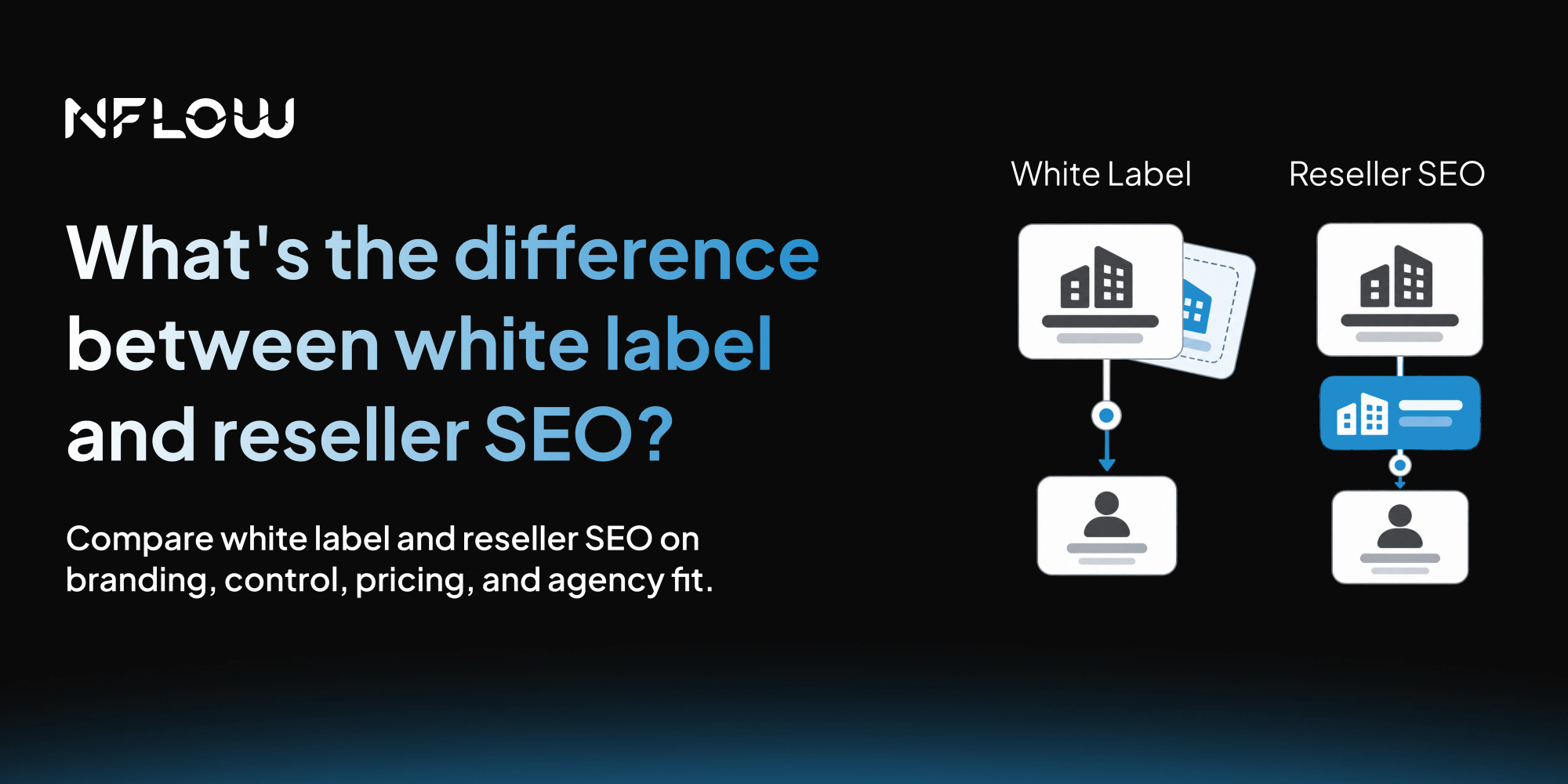
Outsourcing simply means having an external party do the work, with or without disclosure, while white labeling specifically means the work is rebranded and presented under the reseller's name. All white labeling is outsourcing, but not all outsourcing is white labeled.