


White label SEO is one of the quieter reasons small agencies manage to punch above their weight. You have probably seen it without realizing: a six person shop in Manchester or Austin selling technical audits, organic SEO campaigns, and reporting that looks like the work of a team of thirty. Often it is, just not their team. Partnering with a white label digital marketing agency lets you sell services you do not personally deliver, under your own brand, at your own pricing, with the client relationship staying entirely yours.
This guide covers what white label SEO actually is, how the arrangement works day to day, which services you can resell, what it costs, and how to separate a good provider from an expensive mistake.
What Is White Label SEO?
White label SEO is search work produced by a specialist provider and delivered to the end client under another agency's brand, with the provider staying invisible throughout.
Think of the own brand section in a supermarket. The tin of tomatoes carrying the shop's label was grown, canned, and packed by a producer whose name appears nowhere on the shelf. The shop sets the price, owns the customer, and stands behind the quality. Nobody is being deceived, because the shop never claimed to own a tomato farm.
White label SEO works the same way. Your client hires you, you brief a provider, and that provider runs the technical fixes, writes the content, and hands back reports in your colors with your logo. Your client sees your agency, talks to your agency, and pays your agency.
How Does White Label SEO Actually Work?
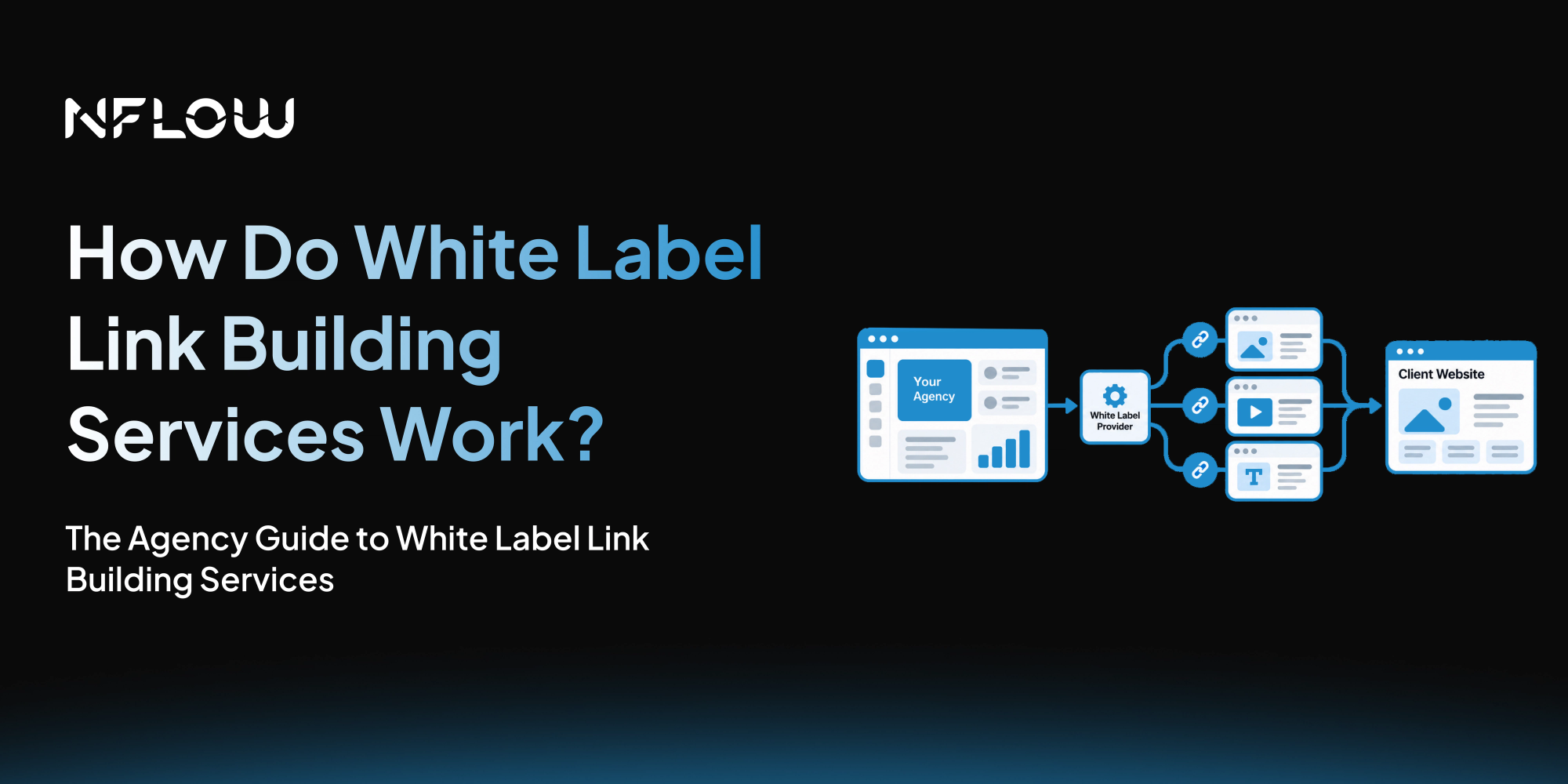
White label SEO runs on a three party structure: the end client, your agency in the middle, and the provider doing delivery work in the background.
The client only ever interacts with you. You own the pitch, the pricing, the strategy conversations, and any awkward calls about results. Your provider takes briefs from you, works inside agreed timelines, and returns finished deliverables branded for you to present. Most white label digital marketing agency partnerships run through a shared workspace such as Slack or ClickUp, with a named account manager on the provider side so you are not chasing a generic inbox.
Here is an illustrative walkthrough. A web design studio wins a dental practice that wants local visibility. The studio sells a $2,000 retainer and pays its white label partner $850. The partner audits the site, fixes the Google Business Profile, publishes four location pages, and returns a report in the studio's template, which the studio presents on a Friday call without ever opening Search Console.
That gap between what you charge and what you pay is the whole business model, and it only holds if the work behind it is genuinely good.
What Services Can Be White Labeled?
Almost every recurring SEO deliverable can be white labeled, because the output is a document, a code change, or a report rather than a face in front of the client.
The services agencies resell most often:
-
Link building. Outreach, digital PR, guest placements, and broken link campaigns, using publisher relationships that would take you a year to build alone.
-
Content writing. Blog articles, service pages, and cluster content written by people who understand search intent. This is the first thing most agencies hand off.
-
Technical SEO audits. Crawl analysis in Screaming Frog or Sitebulb, indexation checks, Core Web Vitals, schema, and migration support. Specialist territory, where a generalist can damage a site.
-
Local SEO. Google Business Profile optimization, citation cleanup, review workflows, and map pack work for multi location clients.
-
Reporting. Looker Studio dashboards, monthly commentary, and rank tracking exports rebuilt in your template.
Strategy is the piece worth keeping close. A provider can build the plan, but the agency in the room should understand it well enough to defend it.
Types of SEO You Can White Label
You can white label the full spread of search disciplines, from traditional organic SEO through to the newer work of getting cited inside AI answers.
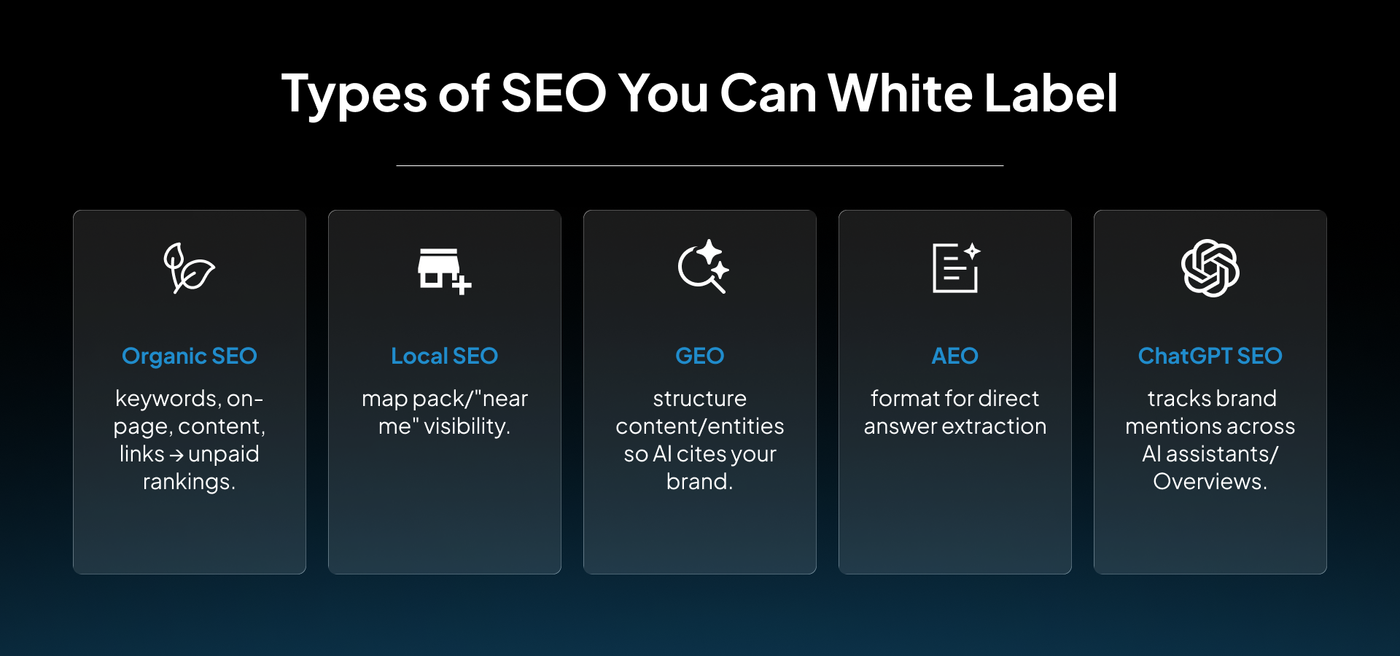
Organic SEO covers the familiar territory: keyword research, on page optimization, site architecture, content production, and authority building aimed at unpaid rankings. This is still the bulk of what providers deliver.
Local SEO targets map packs and near me visibility for businesses with a physical location or defined service area. Different signals, different tooling, different reporting.
GEO, or generative engine optimization, means structuring your content, entity data, and third party mentions so AI systems can find and reference your brand when generating an answer. It rewards clear factual writing and citations from sources those systems already trust.
AEO, or answer engine optimization, is the related discipline of shaping content so it can be lifted directly as an answer: question led headings, concise definitions near the top of a section, and self contained paragraphs that survive without the page around them.
ChatGPT SEO sits inside both. It covers how often and how accurately your brand appears in ChatGPT, Perplexity, Gemini, and Google's AI Overviews. Providers doing this track brand mentions across assistants and build content for retrieval rather than for a blue link. Capability varies enormously here.
Benefits of White Label SEO
The core benefit of white label SEO is capacity you can switch on this week without adding a salary to your payroll.
Hiring a competent technical SEO in the US or UK means a salary north of $65,000, plus recruitment time, tooling, and the risk of that person leaving eight months in. A white label partner costs you nothing in a quiet month and scales the week you win three clients at once. Fixed cost becomes variable cost.
You also buy range. A decent provider has separate people for technical work, content, and outreach, plus paid seats in Ahrefs, Semrush, and Screaming Frog that would run several hundred dollars a month on their own. One in house generalist cannot cover all of that, however talented.
Turnaround improves too, since a team producing forty audits a month has templates and muscle memory. But the benefit owners value most is time. Delivery eats calendars, and handing it off puts your best people back on positioning, pitching, and client relationships.
White Label SEO vs. Outsourcing vs. In House SEO
White label SEO, freelance outsourcing, and in house hiring solve the same capacity problem with very different trade offs in cost, control, and consistency.
Freelancers suit agencies with one or two clients and an owner who enjoys managing delivery details. White label suits agencies growing faster than they can hire. In house makes sense once a single channel brings in enough recurring revenue to justify salaries, which for most agencies means past $30,000 in monthly SEO billing. Plenty run two models at once: an in house strategist owning relationships, a white label partner producing behind them.
Common Concerns About White Label SEO
The three worries that stop agencies signing are client discovery, quality control, and whether the arrangement is honest. All three are fair, and all three have practical answers.
On discovery: clients almost never find out, because there is little to find. Reports carry your branding, emails come from your domain, and calls involve your people. The genuine risk is a provider approaching your client directly, which a signed non disclosure agreement should prevent. Check that clause exists.
On quality: this is the real risk, not discovery. Some providers run content farms and sell recycled audits with the client name swapped in. Ask for anonymized samples, run a small paid pilot, and read the deliverable rather than the sales deck. A $99 monthly package in the price list tells you what the work will look like.
On honesty: you are selling a result, not a staffing chart. Law firms brief counsel and accountants use specialist tax advisers. The line worth respecting is simple: never claim in house capability you do not have, and answer truthfully if a client asks. Very few care who wrote the schema markup as long as traffic is climbing.
How Much Does White Label SEO Cost?
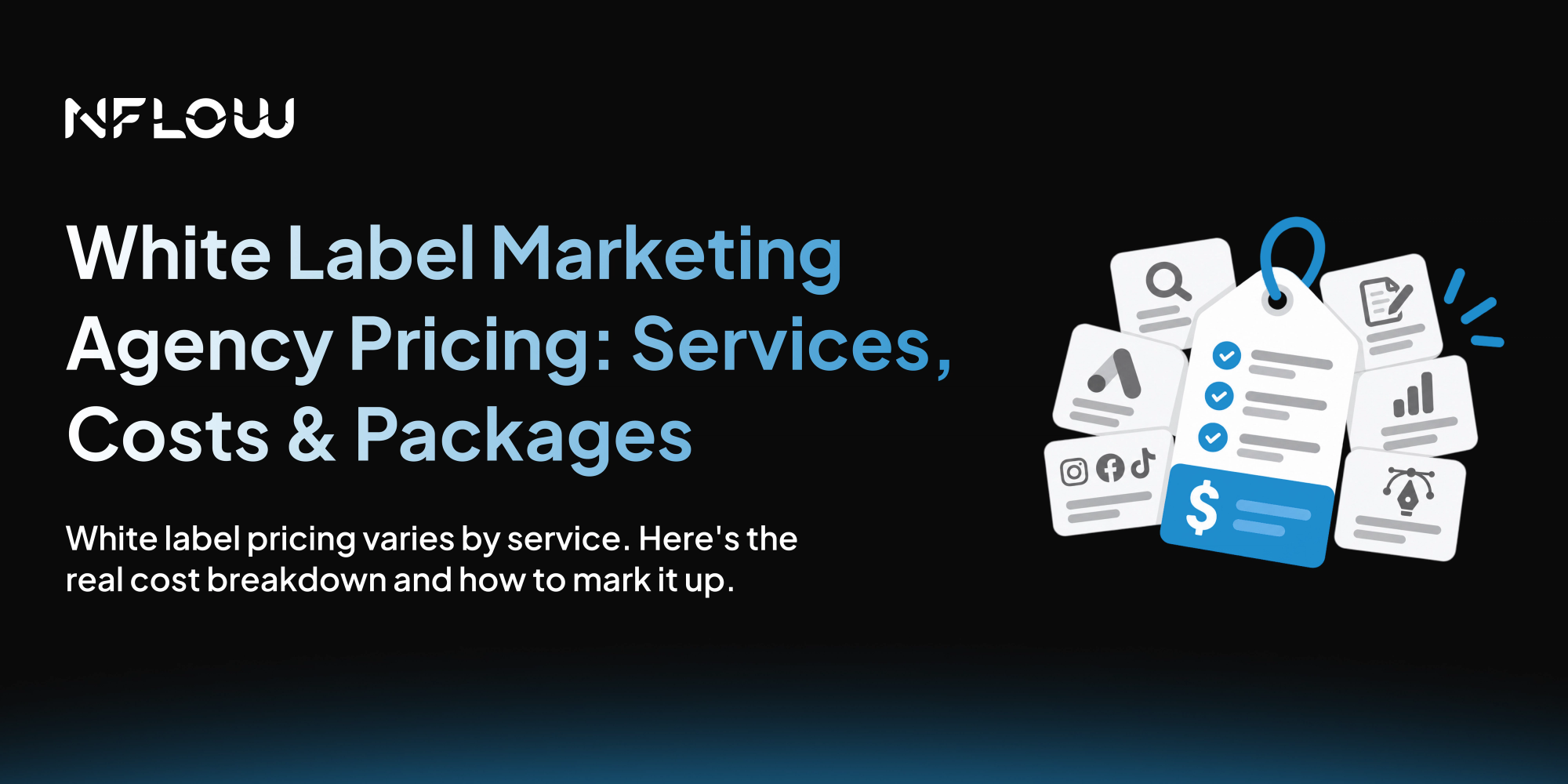
Most white label SEO providers charge between $500 and $2,500 per client per month for ongoing retainers, with agencies typically reselling at two to three times that figure.
Providers price three ways. Hourly rates, usually $50 to $150, work for ad hoc technical help. Per project pricing suits audits, migrations, and one off builds. Monthly retainers cover ongoing programs and are where most agency partnerships settle. Price moves with client competitiveness, deliverable volume, and how much strategic thinking you expect the provider to contribute.
As a budget guide, a solo consultant or small studio usually spends $1,000 to $3,000 a month across two or three accounts. A mid-sized agency running eight to fifteen SEO clients spends $8,000 to $20,000 monthly and resells at three times cost.
How to Pick a White Label SEO Partner
Choose a white label SEO partner on process transparency and communication quality, not on the lowest quoted price.
Questions worth asking before you commit:
-
Who exactly will work on my accounts, and can I speak to them before signing?
-
What does your onboarding brief look like, and how much detail do you need from me?
-
Can I see two anonymized reports and one technical audit from live accounts?
-
What is your standard turnaround for content, audits, and revision requests?
-
How do you approach AI search visibility and SEO, and what do you track?
-
What happens when a campaign underperforms, and how do you tell me?
-
Is there a minimum term, and what notice period applies if I want to stop?
Red flags worth walking away from: guaranteed rankings, link inventory sold by volume alone, refusal to share a sample deliverable, pricing well below the ranges above, and no non-disclosure agreement. Run a paid pilot before you move your whole book across.
Is White Label SEO Worth It?
White label SEO is worth it for agencies that own strong client relationships but lack delivery capacity, and a poor fit for agencies whose main asset is SEO expertise itself.
It works well for a web design studio, PPC shop, or branding agency whose clients keep asking about search, for a solo consultant who can sell more than they can produce, and for anyone testing a service line before committing to a hire.
It works badly if SEO is your differentiator and clients are buying your specific thinking. It works badly if margins are already thin, since the model needs room for a healthy markup. And it works badly if you want no involvement at all, because this is a partnership requiring briefs, feedback, and judgment.
The honest test: if your provider vanished tomorrow, would clients stay because they trust you? If yes, white label makes you bigger. If not, you are reselling something you do not understand.
Conclusion
White label SEO is not a shortcut around doing good work. It separates who sells from who delivers, so agencies can grow past the ceiling of their headcount sets. Get the partner right and it becomes the most profitable line on your services list. Get it wrong and you inherit somebody else's poor quality with your name on it.
If you are weighing whether a white label digital marketing agency fits how you want to grow, N Flow works with agencies across the US and UK on exactly this. A short conversation about your current client load is usually enough to tell whether it fits.
FAQs About White Label SEO
Is white label SEO ethical?
Yes. Reselling specialist work under your own brand is a standard business practice across law, accounting, and manufacturing. The arrangement stays ethical as long as the work is genuinely good, confidentiality is protected, and you never misrepresent results or claim outcomes you cannot support.
How do I find a good white label SEO provider?
Start with referrals from agency owners you trust, then request anonymized case studies, sample deliverables, and a call with the person who would actually manage your accounts. Test one small project before signing anything longer than a single month of work.
Can small agencies use white label SEO?
Small agencies benefit most, because they gain access to specialists they could never afford to employ directly. A solo consultant can sell audits, content, and link building at agency quality while keeping fixed costs near zero and margins predictable each month.
Do clients need to know about white labeling?
No, and most never ask. You are selling an outcome, not a staffing plan. That said, never lie if a client asks directly. Saying you work with specialist partners under your management is honest, normal, and rarely causes any concern.
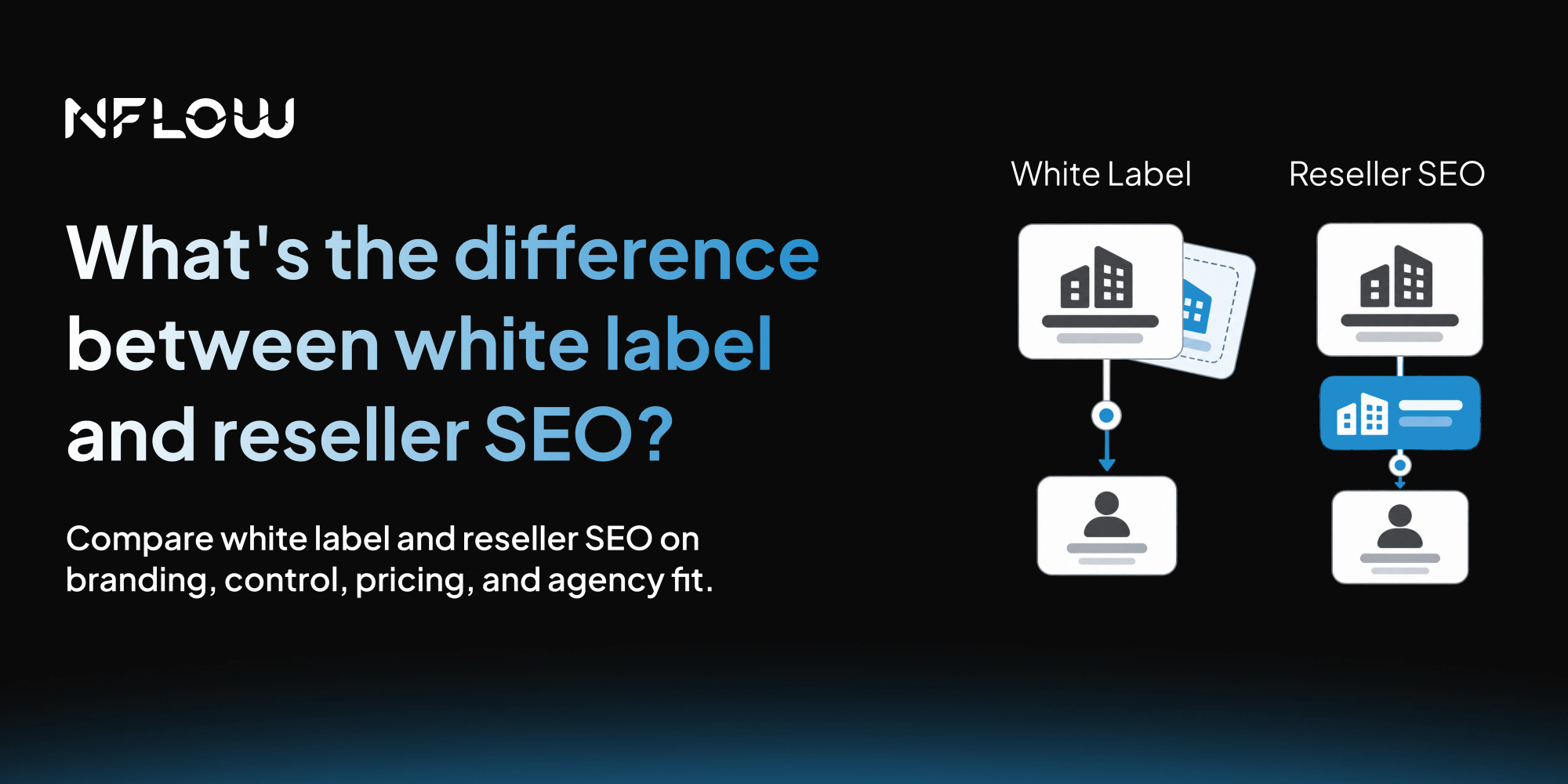
What is the difference between white label and reseller SEO?
White label work is delivered unbranded so you present it as your own, with you managing the client. Reseller programs often keep the provider visible, use fixed packages, and pay you a commission rather than letting you set your own pricing.
How much does white label SEO typically cost?
Most providers charge between $500 and $2,500 a month per client for ongoing work, with audits billed separately at $500 to $2,000. Hourly rates usually sit between $50 and $150. Agencies typically resell at two to three times that cost.
How long does it take to see results?
Expect early technical and content wins within six to eight weeks, meaningful ranking movement around month four, and compounding traffic gains from month six onward. Competitive niches take longer. Any provider promising page one placement inside thirty days is selling a fantasy.
Do white label SEO contracts lock you in?
Terms vary widely. Many providers ask for a three month minimum because SEO needs runway to work, while others bill month to month with thirty days notice. Avoid anything demanding twelve months upfront before you have tested the working relationship.
Can white label providers handle ChatGPT SEO and AI search optimization?
Some can, many cannot yet. Ask specifically how they structure content for AI Overviews, whether they track brand mentions inside ChatGPT and Perplexity, and what their approach to entity markup looks like. Vague answers here usually mean no real capability.
What happens if a client is unhappy with the work?
You handle the conversation, then route the fix through your provider under whatever revision policy your agreement sets. Good partners include revisions at no charge. This is why response times and escalation paths belong in the contract before problems appear.