

PPC is paid advertising where you pay each time someone clicks your ad. Google Ads is the best-known example.
It's a common story. A client asks for PPC, and the agency has no one who can run it. Hiring a specialist takes months and costs a full salary. Saying no can push the client toward a competitor. White label PPC agency services solve that problem. You sell the work under your own brand, and a specialist runs it behind the scenes.
In this guide, I'll walk you through what white label PPC services include, what they cost in 2026, how much margin you can keep and which red flags to watch for. One quick note: I run a PPC agency myself, so I'll be upfront about when a partner is worth it and when it isn't.
The 60-Second Answer
White label PPC management means a PPC partner runs your clients' ad campaigns while your agency's name stays on every report and call. In 2026, partner fees typically run $400 to $800 a month for accounts spending $2,000 to $5,000 on ads. Prices vary by market and scope. It fits agencies and freelancers who want to sell PPC without hiring.
White Label PPC, Explained Without the Jargon
White label PPC is a setup where a PPC partner does the paid ad work and your agency sells it as its own, so the client only sees your brand.
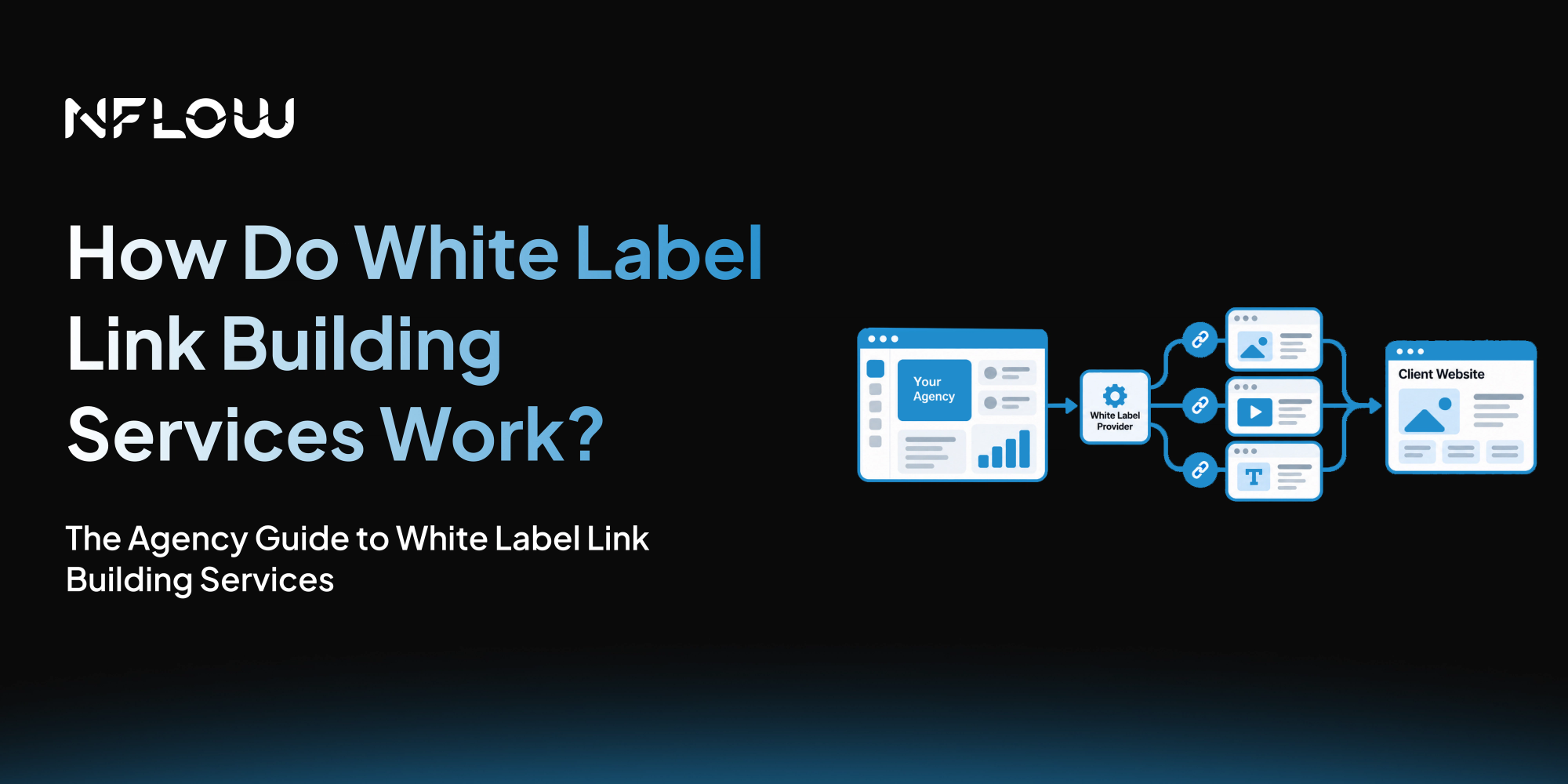
How it works behind the scenes:
-
You sign the client and agree on a budget.
-
The partner gets access to the client's ad account, where campaigns and data live.
-
The partner builds and runs the campaigns.
-
Reports go out with your logo, and you present them.
Ad spend is what the client pays the ad platform for clicks. It's separate from your management fee.
-
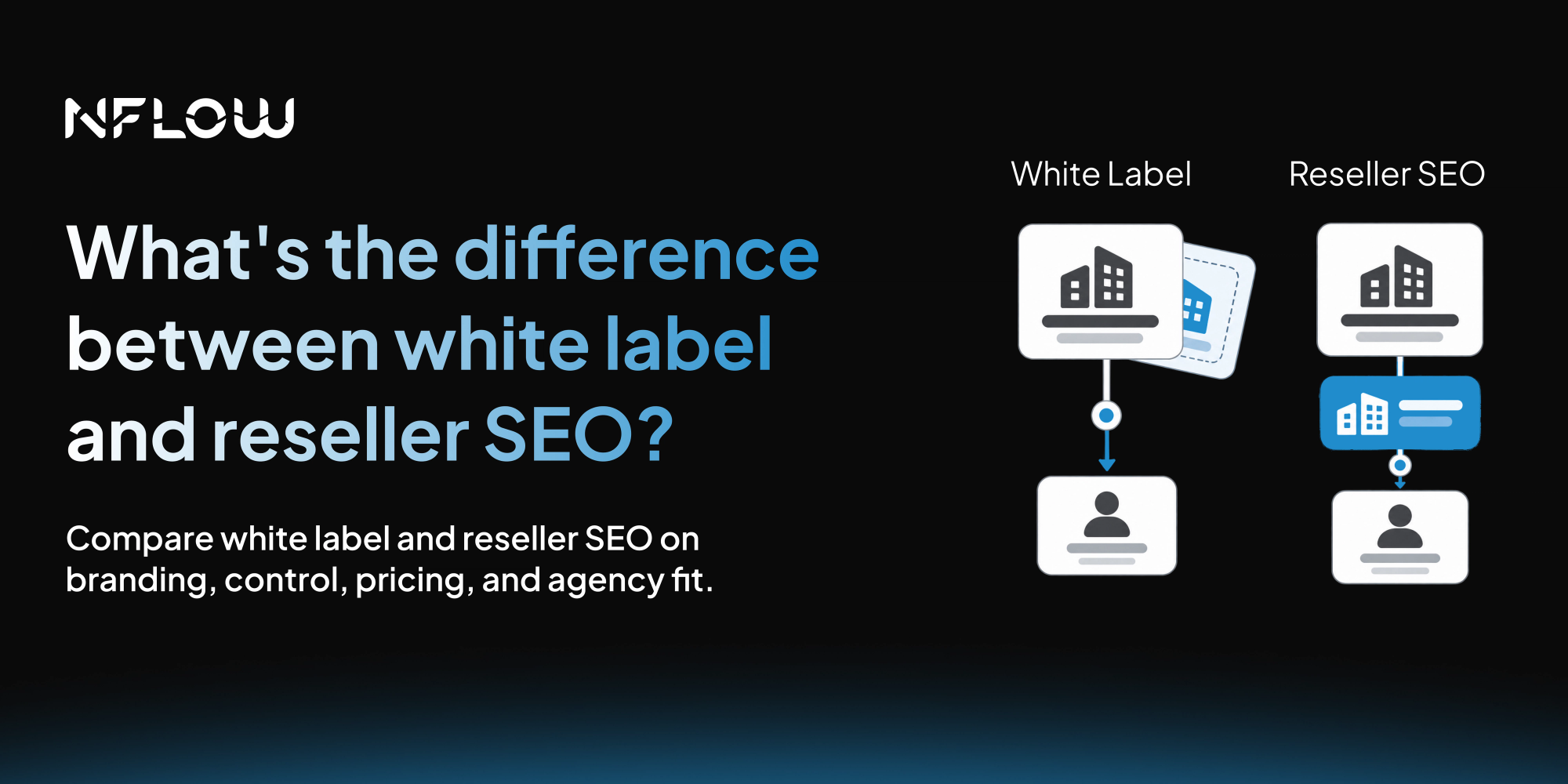
White label: a partner does the work, and you sell it under your brand.
-
Private label: a product made for your brand only, often to your specs.
-
Reselling: you sell another company's service, often under their name, for a cut.
I usually point agencies to white label paid advertising, since the client stays yours.
Is It Right for You? (Including When to Say No)
White label PPC suits agencies and freelancers whose clients already want paid ads and who can check a partner's work. It backfires when budgets are tiny or you can't judge the results.
Good fits:
-
SEO, web or social agencies whose clients keep asking for ads
-
Freelancers who want PPC services for agencies or direct clients without learning every platform
Say no, or wait, if:
-
The budget is tiny. On $500 a month in ads, a $400 fee is nearly half the total. (Illustrative example, not a real result.)
-
You can't spot mistakes in a Google Ads report.
-
The client wants daily calls with the specialist.
Sometimes the right answer is no partner at all, mine included. A weak website should be fixed before buying clicks.
What's Actually Inside White Label PPC Agency Services
Most white label PPC agency services include setup, ad writing, bidding, conversion tracking and branded reports, but platforms vary by partner, so get every deliverable in writing before you sign.
Platforms include Google, Microsoft, Meta, LinkedIn and Amazon. If you buy white label Google Ads services, ask if Microsoft is included.
Each piece, plus the proof to ask for:
-
Setup: building campaigns, keywords and audiences. Proof: a written plan.
-
Ads: the text, images or video people see. Proof: you approve copy before launch.
-
Bidding: what to pay per click. Automated bidding lets the platform's AI set bids. Proof: a note on the strategy.
-
Conversion tracking: code that records when a click becomes a call, form or sale. Proof: a test conversion.
-
Branded reports: monthly results under your logo. Proof: a sample before you sign.
Reports should show CPC (cost per click), conversions and, for stores, ROAS (return on ad spend: revenue per $1 of ads). From my content-writing years, I know owners skim. Ask for a one-page summary.
8 Benefits of White Label PPC for Agencies
The main benefits of white label PPC are lower fixed costs, faster launches and selling paid ads without hiring. None of them promise better results, which still depend on the partner and the client's budget.
5.1 Skip the Hiring Bill
Government pay data puts median pay for US marketing specialists and analysts at $78,760 a year. Benefits make up about 30% of employer pay costs. A partner fee stops when a client leaves. A salary doesn't. You also skip recruiting time and payroll taxes.
5.2 Add a Revenue Stream Without Adding Headcount
Headcount is the number of people on payroll. You can sell PPC the week you sign a partner, with no new hires. The same model works for SEO, link building, local SEO and ecommerce.
5.3 Scale Up (or Down) on Demand
Most partners price per account, so 5 clients or 50 mostly change the invoice. A lost client means one less fee, not a layoff. Seasonal clients stop being a staffing problem.
5.4 Borrow Expert Skills Instantly
Strong partners have certified Google Ads staff plus Meta and Microsoft skills. Certification only proves an exam was passed, so ask for work samples. You get a whole team's skills, not one person's.
5.5 Get Premium Tools Without Paying for Them
Bid, call tracking and reporting tools add up fast. Many partners include them. Ask which ones get billed to you. You avoid buying software before you have the clients to pay for it.
5.6 Launch Campaigns Faster
A partner with a set process can often launch in days, not weeks. Get their timeline in writing first. Quick launches show clients activity sooner, which builds trust early.
5.7 Keep Clients Longer
Churn is when clients leave you. A client buying SEO and ads from you has fewer reasons to shop around, though nothing guarantees it. You also hear about problems before a competitor does.
5.8 Free Your Team for Strategy
Outsourced PPC management moves your team out of ad dashboards and into client strategy. That's where referrals and upsells come from, and a partner can't do it for you.
How White Label PPC Is Priced
White label PPC is usually priced as a flat monthly fee, a percentage of ad spend, tiered packages or a hybrid of base fee plus percentage. The best model depends on how much your client spends and how steady that spend is.
A flat fee is often called a retainer: a fixed monthly amount for ongoing work. Many agencies like it because it's easy to budget and easy to explain. Percentage models usually run 10% to 20% of monthly ad spend, often with a minimum fee. Most PPC reseller services use one of these models. Prices vary by market and scope.
What You'll Really Pay for White Label PPC Agency Services
Typical white label PPC fees in 2026 run about $400 to $800 a month for accounts spending $2,000 to $5,000 on ads, and $1,200 to $2,500 at $10,000 to $25,000. These are typical ranges, not quotes.
Typical partner fees by monthly ad spend:
-
Under $2,000: Pricing to be confirmed with partner quotes
-
$2,000 to $5,000: $400 to $800
-
$5,000 to $10,000: Pricing to be confirmed with partner quotes
-
$10,000 to $25,000: $1,200 to $2,500
Treat these ranges as a starting point. Get three quotes and compare what white label PPC management services include. Prices vary by market and scope.
Clicks cost money too. Recent benchmarks put the average search CPC at about $5.26, so $2,000 buys about 380 clicks.
The Fees Nobody Mentions Upfront
The fees nobody mentions upfront are setup fees, tool fees, minimum spend rules, contract lock-ins and per-task extras. Together they can push your real monthly cost well above the headline price on a partner's sales page.
-
Setup fees: a one-time build charge. For direct agency work, these often run $1,000 to $2,500 2026. White label: [PRICE NEEDED: verify with partner quotes].
-
Tool fees: call tracking or dashboards billed per account.
-
Minimum spend: a budget floor, or a minimum fee charged anyway.
-
Lock-ins: multi-month contracts with exit fees.
-
Extras: landing pages, video edits and extra report calls.
Any PPC management reseller should list every charge on one page. Ask for a total monthly cost per client, in writing.
Your Profit Math: A Real Margin Example
Your profit on white label PPC is the client price minus the partner fee minus your own time. In the illustrative example below, a $1,500 price and a $700 partner fee leave $650 after your hours, a 43% margin.
Markup is what you add on top of cost, as a percent of cost. Margin is the share of the price you keep. Many agencies price on markup and forget their own hours.
Mid row: ($1,500 − $700) ÷ 700=114%markup.(1,500 − $700 − $150) ÷ $1,500 = 43% margin.
The 3-Question Margin Test for any white label advertising services you resell:
-
Does my price cover the partner fee and my hours, with a margin I chose in advance?
-
Would I still profit if this client's ad spend doubled or halved?
-
Could I switch partners without losing the client's account?
What to Charge Your Own Clients
Charge clients for the value you add, not a fixed markup alone, and package PPC as a monthly plan with a set scope, a separate ad budget and a simple report.
For a market check, $1,000 to $2,000 a month for one channel is common in direct agency work2026. Prices vary by market and scope.
-
Keep ad spend separate from your fee.
-
Offer two or three plans by spend level.
-
Set your floor with the 3-Question Margin Test, not a competitor's price.
White Label vs. In-House vs. Freelancer
White label PPC usually costs less upfront and starts faster than an in-house hire or a freelancer, while in-house gives the most control. The right choice depends on how many PPC clients you have and how much fixed cost you can carry.
PPC agency outsourcing fits best while your ad client list is small or changing. Once PPC is steady revenue, price out a hire.
The Risks Most Guides Skip
The biggest white label PPC risks are losing control of the client's ad account, weak quality control, loose data security and relying on one partner. Each one shrinks if you set clear rules before the first campaign goes live.
-
Account ownership. Open every ad account in the client's name. According to Google Ads Help (2026), only Admin users control access. Keep Admin for the client and your agency. Give the partner Standard access, which edits campaigns only.
-
Quality control. One recent analysis of more than 15,000 Google Ads accounts found nearly 29% had zero conversions over 90 days. Check conversions yourself monthly.
-
Data security. Ask who on the partner's team can see customer data, and require two-factor login.
-
Dependency. If one partner runs everything, their bad month is yours. Keep your own account notes.
Contracts, Privacy and Legal Basics
Before you sign with a PPC partner, get an NDA, data rules and account terms in writing, check privacy and FTC rules, and confirm the partner handles restricted industries. This is general information, not legal advice.
-
NDA: a non-disclosure agreement that stops the partner sharing client details or pitching your clients.
-
Privacy: there's no single federal privacy law. As of 2026, 20 states have comprehensive privacy laws in effect. Spell out how the partner handles customer data.
-
Disclosure: under FTC rules, ads that use reviews must be truthful and disclose any paid ties.
-
Restricted industries: Google Ads requires certification for some healthcare ads and, in the US, for locksmith and garage door services.
Have a lawyer review the contract.
Pick a White Label PPC Partner You Can Trust
A trustworthy PPC partner proves its certifications, shares case studies you can verify, gives you full account visibility and offers support during your clients' business hours. If one is missing, keep shopping.
Green flags:
-
Google Partner badge. It requires $10,000 in ad spend over 90 days and 50% of account strategists certified (Google Ads Help, 2026). It shows scale, not results.
-
Case studies with a reference you can call
-
US-hours support with response times in the contract
-
A sample report before you sign
Red flags:
-
No account access for you or the client
-
Guaranteed leads or sales
-
Reports with clicks but no conversions
-
Long lock-ins with big exit fees
Your First 30 Days with a Partner
Your first 30 days with a PPC partner should cover a clean handover, a set reporting rhythm and one shared channel, so problems surface early.
Good PPC fulfillment services follow a plan like this:
-
Days 1 to 3: Share a brief with goals, budget, offers and brand rules.
-
Days 1 to 5: Set access. The client keeps Admin; the partner gets Standard.
-
Days 5 to 10: The partner audits and sets up conversion tracking. Test one conversion.
-
Days 10 to 14: Approve ad copy, then launch.
-
Weeks 2 to 4: Hold a 15-minute weekly check-in.
-
Day 30: Review the first report with the partner, then present it.
How AI Is Changing PPC Pricing in 2026
AI is shifting PPC pricing away from manual bid changes and toward strategy, tracking and creative, because Performance Max and automated bidding now do much of the hands-on work. No tool guarantees results.
Performance Max is a Google Ads campaign type that uses Google AI to run ads across Search, YouTube, Gmail, Maps and more from one campaign (Google Ads Help, 2026).
Still worth paying humans for:
-
Feeding the AI clean conversion data
-
Writing offers and ad creative
-
Checking search terms for waste
-
Explaining results to clients
Conclusion
Here's the short version. White label PPC lets you sell paid ads without hiring a specialist. Fees vary by ad spend, and hidden costs add up fast. Your real profit is the client price minus the partner fee minus your own time. The client should always own the ad account.
So start small. Pick one client, get three partner quotes and compare them line by line. Once that first account runs smoothly, you'll know if white label PPC deserves a bigger role in your agency.
FAQ
What are white label PPC agency services?
White label PPC agency services let your agency sell paid ad management under your own brand while a PPC partner does the work. The partner builds campaigns, manages bids and sends branded reports. Your client deals only with you and never sees the partner's name.
How much does white label PPC cost?
In 2026, partner fees typically run about $400 to $800 a month for accounts spending $2,000 to $5,000 on ads, and $1,200 to $2,500 for accounts spending $10,000 to $25,000. These are typical ranges, not quotes. Prices vary by market, platform and scope.
How much should I mark up white label PPC?
Start from margin, not markup. Add the partner fee and the cost of your own time, then set a price that keeps a margin you chose in advance. In this guide's illustrative example, a $1,500 price on a $700 fee leaves a 43% margin after time.
Who should own the client's Google Ads account?
The client should own the ad account, with billing in the client's name. Your agency should hold Admin access, and the partner should get Standard access. That way, if the partner relationship ends, the client keeps every campaign, setting and piece of past data.
Is white label PPC worth it for a freelancer?
It can be, if you have clients ready to spend on ads and you can check a report for mistakes. It's rarely worth it when client budgets are tiny, because the partner fee eats too big a share of the total spend.
Can a PPC partner guarantee results?
No honest partner can. Results depend on the client's offer, website, budget, competition and season. A partner can promise a clear process, fast response times and honest reporting. Treat any guarantee of leads, sales or ROAS as a red flag and keep looking.